by Lyuba Milyokhina
The active working week of the Media Dialogue team has come to an end. All keynote speakers of the conference shared extremely useful and important information, and the other conference participants received a lot of food for thought. Besides these informative online meetings, the other part of the project is the work of the three groups: video, audio and blog.
The blog group. This group makes it possible for all interested people who are not directly involved in the project to learn about its course, about the speakers and the main topics of the conferences. The work of the group coordinated over a group chat, where the group’s media trainer and the participants propose topics to write about and the participants chose who wants to work on what this time. After the material was ready, the media trainer gave his feedback and edited the articles. Then the articles were posted together with the pictures on the blog’s website and on social media.
The video group. As all members and leaders of the group live in different cities and even countries, also here communication took place via group chat and email. On Monday, the team presented several videos related to fake news, misinformation and public awareness of these phenomena. The work was organized as follows: the participants had a few weeks time to film interviews and some shots of the city they live in, they cut some parts and sent examples, then the media trainer gave his feedback. As a result, they had three finished movies.
This week, the participants had the opportunity to listen to the keynote speakers and ask them questions. In the project week the group produced a short documentary about the week and interviewed a few of the participants. In the ending conference on Friday the team presented this video.
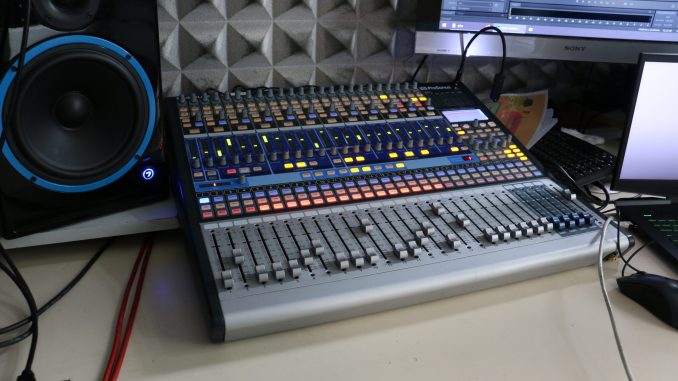
The audio group. The media trainer worked with four active participants from the Ivan Franko National University of Lviv as well as Taras Shevchenko National University of Kyiv. Their communication was organized through meeting in a daily video calls and communication via mail, as well as group chat.
At the beginning of the week they discussed their goals of work and used an online document to track their ideas. After the trainer explained the basics of creating a podcast and its main characteristics, they started working together to develop a podcast in which they wanted to show struggles media educators faced during the Covid-19 crisis and give a prognosis on how the future of media education might look like. They involved several experts in this field and recorded a podcast discussing media education, which they presented on the final day of the project.
So, this is how the participants of the Media Dialogue project arranged their work. Their results were presented by the groups at the end of the working week. Everyone did their best and did a great job.