
-written by Polina Zabolotna
Russian propaganda remains the main reason for the low level of COVID-19 vaccination in Moldova.
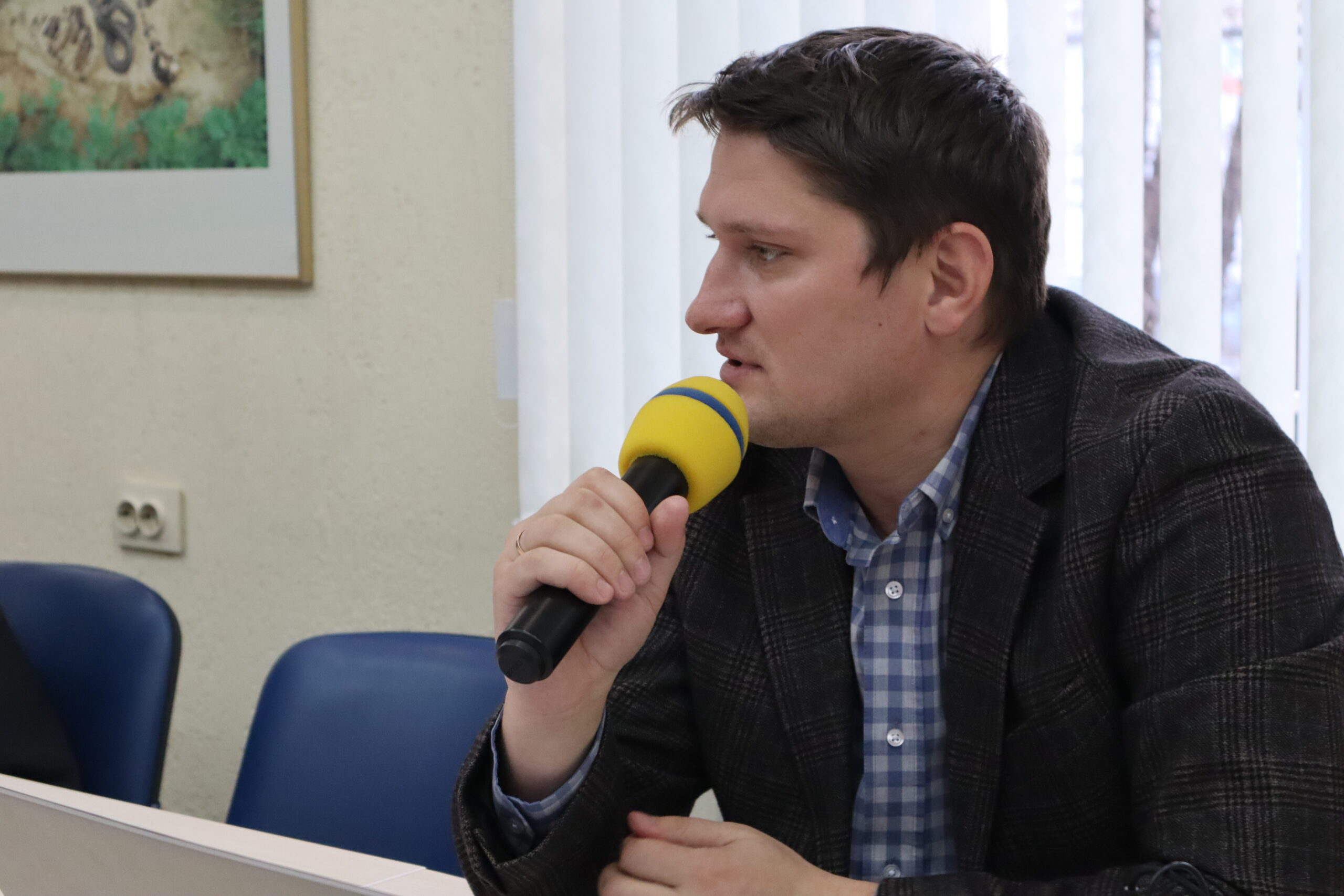
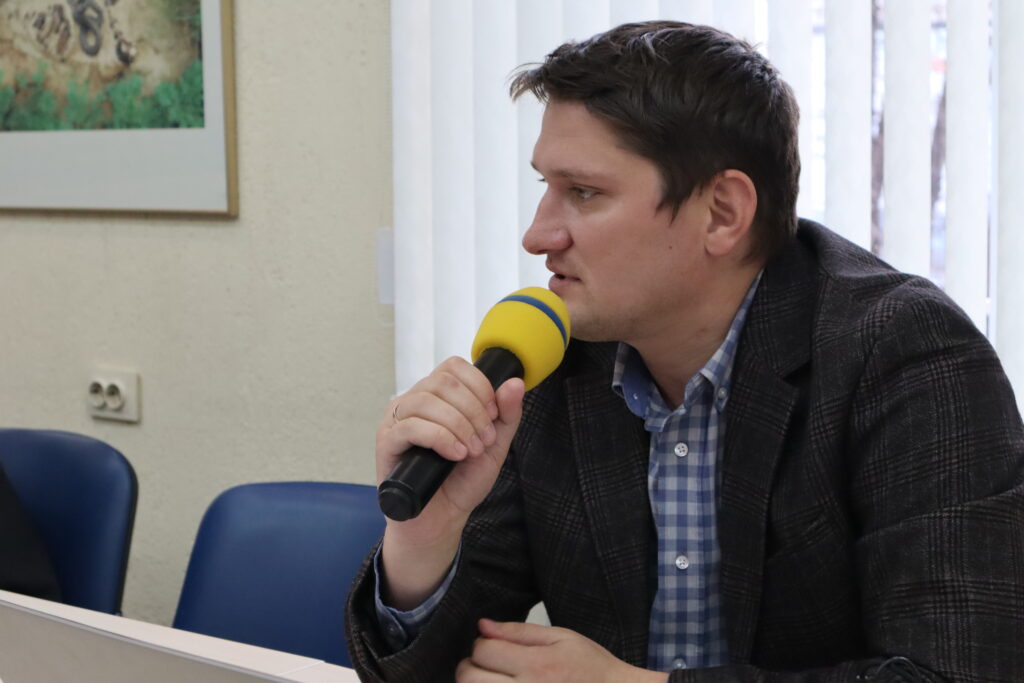
Russian media, which are openly broadcast in Moldova, are slowing down COVID-19 vaccination in that country. Constantin Uzdriz, journalist at TVR Moldova , said at one of the Media Dialogue conferences that this is the biggest problem. In an additional comment, he also said that anti-vaccination is promoted by the Moscow Patriarchate and Russian social networks.

The first misinformation about vaccination and COVID-19 began to appear in morning medical shows on Russian TV channels. The most popular fake news about vaccination that Russian media spreads are:
- the largest pharmaceutical corporations are trying to make more money
- Bill Gates wants to chip people to control them
- AstraZeneca is an ineffective vaccine that causes blood clots
- the vaccine will cause death in ten years
- the vaccine has not been sufficiently tested by researchers
According to the Moldovan Ministry of Health, 28 percent of residents have received a full dose of vaccination. More than 30 percent of people received a single dose. However, Constantin reports that specific groups of people do not fall into the official statistics. These include Romanian citizens living in Moldova and workers in Russia and Western Europe.
The Moldovan government buys all types of vaccines offered by other countries. Pfizer is the most popular vaccine, but the Russian Sputnik V is also used. This vaccine is mostly chosen by Transnistrians and retirees because they still trust the Soviet medical system. Russian media promotes the advantage of its vaccine. On the other hand, Moldovan doctors warn that the Sputnik V vaccine is not recognized by most countries in the world. The first doses of Sputnik V were bought by former pro-Russian President of Moldova Igor Dodon, but the current government has agreed to continue supplying the vaccine. However, Constantin emphasizes that Pfizer is much more popular in Moldova. Sputnik V vaccinated about two hundred thousand people, while Pfizer was administered to more than a million people.
The Moldovan government, international organizations, the Bessarabian metropolis and the national Moldovan media are creating social advertising and fighting fakes to speed up vaccination. Constantin said that the media of TVR Moldova, where he works, creates advertising videos, reports from hospitals, interviews with victims of COVID-19 for this purpose.
Vaccination advocacy has also recently begun at the regional level. Politicians talk about the benefits of vaccination in small towns and villages. Journalists and public figures share their own experience of transferring COVID-19 and explain to the public that vaccination is not scary. SIS (Serviciul de Informaţii şi Securitate al Republicii Moldova) blocks Moldovan websites and Facebook groups that spread lies about vaccinations.
Compulsory vaccination has not yet been introduced in Moldova. Private institutions themselves decide whether to allow unvaccinated employees to work. However, people can only visit food and entertainment establishments with a vaccination certificate, PCR test or COVID-19 recovery certificate in Chisinau. Constantin said that the Moldovan government wants to introduce mandatory vaccinations for doctors and teachers first. So far, they have stopped paying compensation to doctors and teachers who have COVID-19 if they have not been vaccinated. Also, unvaccinated teachers must take a PCR test every two weeks.
The least vaccinated areas of society are pensioners and the unemployed. While on the other hand, most people who want to go abroad to earn money are vaccinated. Constantin is convinced that they are vaccinated not by choice but by necessity, so they do not trust the medical system.